
The Impact of Pacifier Use
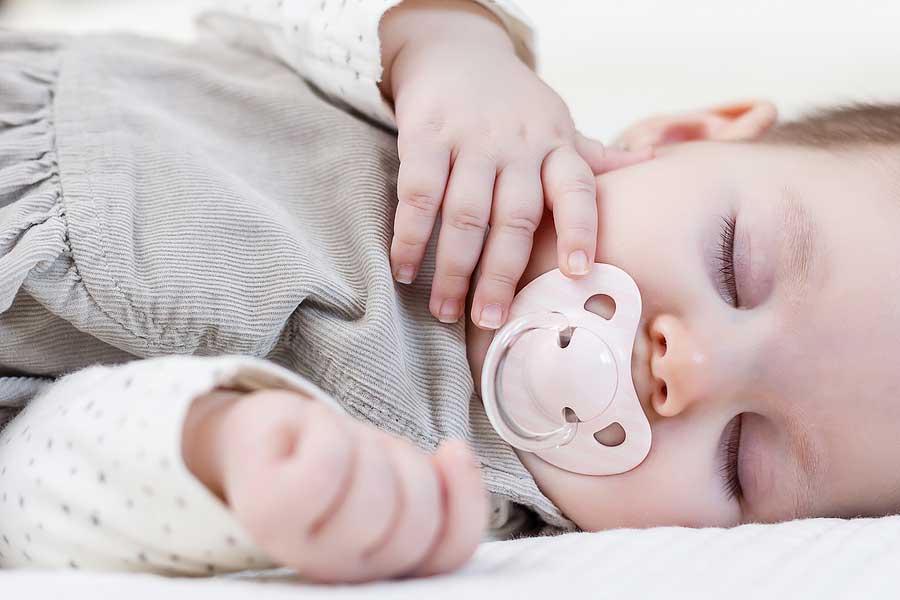
Using a pacifier can be a big help for soothing babies, but prolonged or frequent pacifier use, especially beyond the preschool years, can impact oral development.
“Pacifier Teeth”
Pacifier use is consistently associated with increased rates of misaligned teeth. When the pacifier is used for prolonged periods of time, it can push upper front teeth forward, prevent proper overlapping of upper & lower teeth & create spacing issues. Common outcomes include open bites, overbites & crossbites.
Jaw & Palette Development
Persistent pacifier use doesn’t only affect individual teeth—it can also shape the overall structure of the mouth. The constant sucking pressure can influence how the mouth’s palate grows, making the palate narrower or more arched. This smaller or more narrow palate can then limit space for permanent teeth, which in turn leads to crowding, improper eruption & misalignment of the upper & lower teeth.
Beyond Alignment
Bite & jaw issues are the most common & well-known consequences of pacifier overuse, but additional oral health problems that can arise include infections, cavities & even speech development.
When a pacifier is not cleaned properly, it can easily harbor bacteria, increasing the chances of oral infections. Cavities are common in cases where the pacifier is dipped in sweet substances—like honey or juice—to soothe the child. While the child may love the sweet treat, that exposes their teeth & gums to sugar, which encourages plaque buildup & the formation of cavities. The speech development issues are a further consequence of an altered palate or atypical jaw or teeth structure. Such developments can lead to difficulty pronouncing certain sounds or lisping.
Practical Recommendations
Despite their potentially harmful effects on an infant’s oral development, they are only harmful if used excessively. To minimize risk, make sure to use pacifiers sparingly. Avoid making it the default go-to & plan to wean your baby off of it by age 3 (or by the time their teeth come in). The earlier the habit ends, the lower the risk of lasting dental issues.
Avoid dipping pacifiers in sugary substances because sweeteners can dramatically increase risk of tooth decay. Make sure to keep the pacifiers clean. Regular cleaning helps minimize bacteria & reduce risk of oral infections.
Pacifiers are not inherently bad for your child. They can provide comfort & help soothe babies if used in moderation, but when used frequently & for several years, they do pose the risk of affecting bite alignment, jaw & palette changes & other oral issues.
By limiting pacifier use & weaning children off by age 3, parents can often enjoy the benefits of soothing without compromising long-term oral health.
Sources
https://www.mdpi.com/2304-6767/13/7/319?utm
https://pmc.ncbi.nlm.nih.gov/articles/PMC12247239/
https://intermountainhealthcare.org/blogs/how-dirty-is-your-baby-s-pacifier
https://www.healthline.com/health/pacifier-teeth#dental-issues
https://pmc.ncbi.nlm.nih.gov/articles/PMC10912588/
https://www.mayoclinic.org/healthy-lifestyle/infant-and-toddler-health/in-depth/pacifiers/art-20048140